

How Much Does James Hardie Siding Cost in Texas? (2026)
By Chad Ryan | Oct. 21, 2026 | 17 min. read
James Hardie siding projects in Texas can range from about $8,000 for smaller or partial replacements to $30,000–$35,000 or more for large or complex homes. For Allied Exteriors projects, a typical siding-and-trim replacement may be around $18,500+, while a more complete exterior project that includes soffit and fascia often falls closer to $25,000–$28,000.
If you’re researching James Hardie siding costs in Texas, you’re probably asking two questions:How much should I realistically expect to spend, and why do the estimates I’m seeing vary so much? The answer is that siding prices can change significantly based on how much siding is actually on your home, the style you choose, whether sheathing or repairs are needed, how much trim is involved, and whether you’re also replacing components like soffit and fascia. To give you a clearer picture, we spoke with Eric Pope, Director of Sales, and Chad Ryan, Exterior Advisor, two members of the Allied Exteriors team who work closely with siding pricing, product selections, and homeowner consultations. Their experience gives us a practical look at what Texas homeowners are actually paying and what tends to move the price up or down. By the end of this article, you’ll understand the typical cost of a James Hardie siding project in Texas, how pricing changes by siding style and project scope, what can add thousands of dollars to a quote, and what to look for when comparing estimates from different contractors.
Table of Contents
- How Much Does James Hardie Siding Cost?
- Why Can Siding Quotes Vary So Much?
- How Does Home Size Affect the Price?
- Real Texas James Hardie Project Example
- Does Siding Style Change the Cost?
- ColorPlus vs. Primed Siding
- How Much Do Trim, Soffit & Fascia Add?
- What Does Old Siding Removal Cost?
- What If There’s Hidden Damage?
- Does a Two-Story or Complex Home Cost More?
- What Should Be Included in a Siding Quote?
- How Does Hardie Compare to Other Siding?
- Is James Hardie Siding Worth the Cost?
- How Can You Keep Siding Costs Down?
- What Should You Do Next?
- James Hardie Siding Cost FAQs
How Much Does James Hardie Siding Cost in Texas?
For an Allied Exteriors project, a typical James Hardie siding investment can range from about $8,000 for a smaller project to $30,000–$35,000 or more for a large or complicated home. A project involving primarily siding and trim may land around $18,500, while a more complete exterior project that also includes items such as soffit and fascia commonly falls closer to the $25,000–$28,000 range. Larger homes with substantially more siding can reach $30,000–$35,000. Here’s a rough way to think about it:
| James Hardie Project | Approximate Allied Investment |
| Smaller siding project or limited areas | $8,000–$15,000 |
| Siding and trim on a typical home | Around $18,500+ |
| More complete replacement with soffit/fascia | $25,000–$28,000 |
| Large or complicated home | $30,000–$35,000+ |
About these prices: The figures in this article come from Allied Exteriors’ current estimating practices, supplier/material pricing, and the firsthand experience of team members who regularly price siding projects. They are budgeting estimates rather than averages calculated from a formal historical project-data set. A smaller project could mean replacing only the back of a home, siding on a few gables, or soffit and fascia on an otherwise masonry home. These are budgeting numbers, not guaranteed quotes. Two houses that look similar from the street can require very different amounts of material and labor. You may also hear contractors price siding by the square. One siding square equals 100 square feet, or a 10 foot by 10 foot area. While contractors commonly use squares to calculate material quantities, homeowners will usually find price-per-square-foot and total-project ranges easier to use for budgeting. 
Why Can Two James Hardie Siding Quotes Be Thousands of Dollars Apart?
If one contractor quotes $18,000 and another quotes $26,000, it’s tempting to assume one company is simply more expensive. Sometimes that is true. But before comparing the totals, make sure the two contractors are actually pricing the same project. A siding quote can change substantially depending on whether it includes:
- Removal and disposal of your existing siding
- Sheathing behind the new siding
- Weather-resistive barrier
- Window and door flashing
- Joint flashing
- Trim
- Trim installation method: butt-to vs. trim-over
- Painting
- Soffit and fascia
- Repairs to framing or damaged areas
- Project management
- Cleanup
- Workmanship warranty and future service
Make sure to ask which trim method is included. Contractors may install Hardie siding using a butt-to or trim-over approach around windows, doors, and corners. Those methods can involve different amounts of trim, cutting, caulking, and labor, so they can affect both the finished look and the price of the project. There can be a significant difference between simply removing old siding and putting up new boards versus rebuilding the wall assembly with details such as OSB sheathing, a proper weather barrier, tape, and joint flashing. Those additional steps require more material, more labor, and more time. 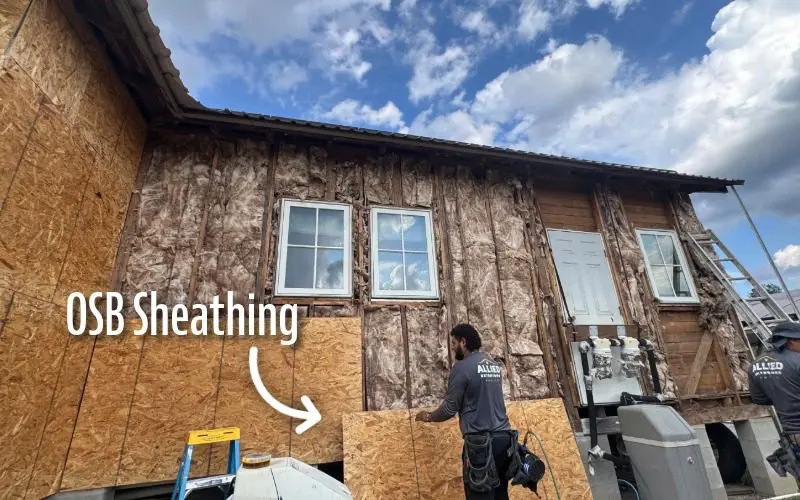 There is also a business-cost difference between contractors. A larger company may have project managers, dedicated installation crews, warranty staff, and people available to service the project after installation. Those expenses become part of the project price too. That doesn’t automatically mean the higher quote is better. It means you should compare what you are receiving before comparing the number at the bottom.
How Does the Size of Your Home Affect James Hardie Siding Cost?
One of the easiest mistakes to make when estimating siding cost is using the square footage listed on Zillow, your appraisal, or your home listing. That number measures interior living space, not exterior siding. For example, one 3,000-square-foot home could be almost entirely siding. Another 3,000-square-foot Texas home might have brick on three sides with siding only on the back and gables. That is why your contractor measures the actual exterior wall area being covered. For a simple example, a wall that is 30 feet wide and 8 feet tall represents about 240 square feet of siding and trim area. A siding estimate may then account for the additional components needed on that wall, such as sheathing, vapor barrier, flashing, paint, caulking, and trim. Homes with brick, stone, or stucco often have substantially less siding than their living square footage would suggest. That is increasingly common on newer and larger Texas homes. So when you are trying to estimate your own project, it may actually be more helpful to ask: “What percentage of my exterior walls are siding?” rather than “How many square feet is my house?”
What Does James Hardie Siding Cost on a Typical Texas House?
To make these pricing numbers more tangible, we pulled a recent Houston project from one of Chad Ryan’s customers. Here’s what the home needed and what the siding portion of the project ultimately cost. 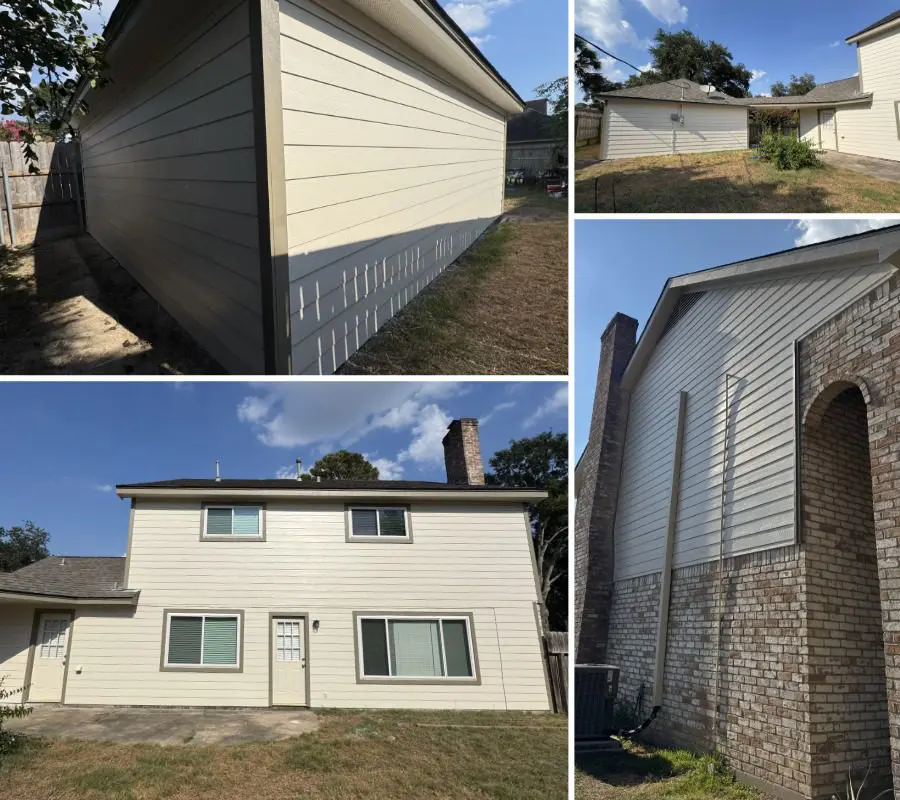
- Home: Two-story Houston home
- Area of Siding Replaced: About 2,200 sq. ft.
- Siding Style: 8¼-inch James Hardie Select Cedarmill® lap siding
- Soffit and Fascia: About 151 linear feet
- Project Scope: Remove and replace siding on the house and garage, including new OSB sheathing, weather barrier, trim, flashing, insulation in specified areas, caulking, and painting
- Siding Project Total: $24,229.90
Does the Style of James Hardie Siding Change the Price?
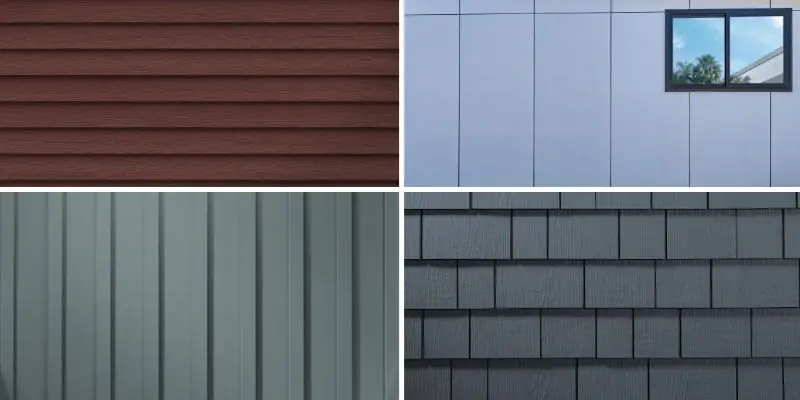
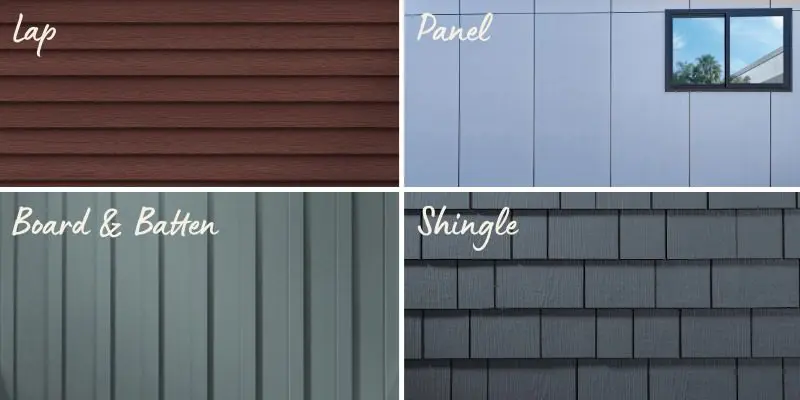
Yes. The profile and style you choose can make a noticeable difference in your cost. Here are some approximate Allied installed prices discussed during our pricing interview:
| James Hardie Siding Style | Approximate Installed Cost | What Can Affect the Price |
| Hardie® Plank Lap Siding | About $13–$15/sq. ft. | Standard CedarMill is toward the lower end; upgraded smooth or specialty profiles can cost more. |
| Hardie® Architectural Panel Siding | About $13–$17/sq. ft. | Taller or custom panel sizes increase material and labor costs. |
| Hardie® Panel + Batten Boards | About $19–$23/sq. ft. | More trim, cutting, labor, and material waste make board-and-batten more expensive. |
| Hardie® Shingle Siding | Around $27/sq. ft. | Significantly more material and labor; commonly used as an accent rather than across an entire house. |
 What’s included in these per-square-foot figures? Allied’s pricing estimates generally account for the siding itself, standard trim, sheathing, weather barrier, flashing, caulking, painting, and installation. Additional tear-off, soffit and fascia, extensive framing repairs, or complex architectural details may be priced separately.
Does James Hardie ColorPlus Cost More Than Primed Siding?
James Hardie gives homeowners two basic finishing paths: choose ColorPlus®, which arrives with a factory-applied finish, or choose primed siding, which is painted after installation. 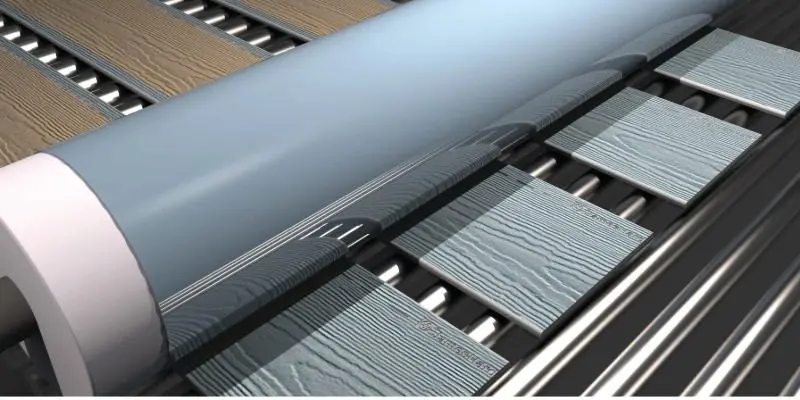 At the product level, ColorPlus is typically about 25%–30% more expensive than comparable primed James Hardie siding based on Allied’s current material pricing. But that is not the whole cost comparison. Primed siding still needs to be painted after installation. Once you add the labor and paint required to finish the primed product, the total installed cost can end up fairly close to ColorPlus. The bigger difference for many homeowners is color selection. James Hardie’s Statement Collection® includes a curated group of regionally available colors, while its Dream Collection® expands that to nearly 700 factory-finished options. Dream Collection products are made to order and may come with additional cost and lead time. So rather than asking which option is simply “cheaper,” compare:
- The finished installed price
- Whether you want a factory-applied or field-applied finish
- The colors available in each collection
- Whether a custom Dream Collection color adds enough value to justify the additional cost
For budgeting purposes, primed siding may look less expensive on the material line item, but that does not include the cost to paint it.
How Much Do Trim, Soffit, Fascia, and Other Details Add to a Hardie Siding Project?
This is one area homeowners often underestimate. Replacing siding does not necessarily mean you must replace every exterior component at the same time. Trim is necessary for the siding installation, while soffit and fascia may be optional depending on their condition and your project scope. Here are some approximate Allied figures:
| Project Detail | Approximate Cost | Why It Can Affect Price |
| Standard siding trim | Typically included | Window, door, corner, and necessary trim are generally part of siding pricing. |
| Soffit & fascia | About $40–$43/linear ft. combined | Adds separate material and labor around the roof overhang. |
| Window/door flashing | Typically included | Part of properly preparing and protecting siding openings. |
| Brick frieze board | About $10/linear ft. | Covers the transition between masonry/framing and soffit. |
| 8-ft. porch post wrapped in siding | About $150/post | Requires additional siding, cutting, finishing, and paint. |
| 8-ft. porch post wrapped in trim | Roughly twice siding-wrap cost | Trim is heavier-duty and more expensive than siding material. |
| Decorative gables | Based on siding style | Often use board-and-batten or shingle pricing. |
| Complex roof/window details | Project-specific | Curves, unusual roof materials, dormers, and other details can require custom work. |
The main takeaway: the siding itself is only one part of the total project cost. Standard trim and flashing may already be included, while items such as soffit, fascia, frieze boards, porch posts, and more complicated architectural details can add noticeably to the final price. The more detailed your exterior is, the more important it is to make sure those items are clearly accounted for in the quote.
How Much Does Removing Old Siding Cost?
Removing one layer of siding is typically part of the replacement process. The bigger cost issue is often what is underneath it. In some older homes, especially those that received vinyl siding decades ago, contractors installed the vinyl directly over another siding material instead of removing the original layer. When the house is eventually stripped, there may be two layers to remove instead of one. Based on Allied’s current estimating rates, removing and disposing of an additional layer of siding can add about $6 per square foot to the project. Older homes can also introduce materials that require different handling, including asbestos siding or, in certain situations, lead-containing coatings. Those are not ordinary tear-off situations and need to be handled appropriately.
What Happens to the Price If Damage Is Found Behind the Siding?
Finding hidden damage is one of homeowners’ biggest fears. The good news is that major surprise repairs appear to be less common than many homeowners expect, based on Allied’s project experience. 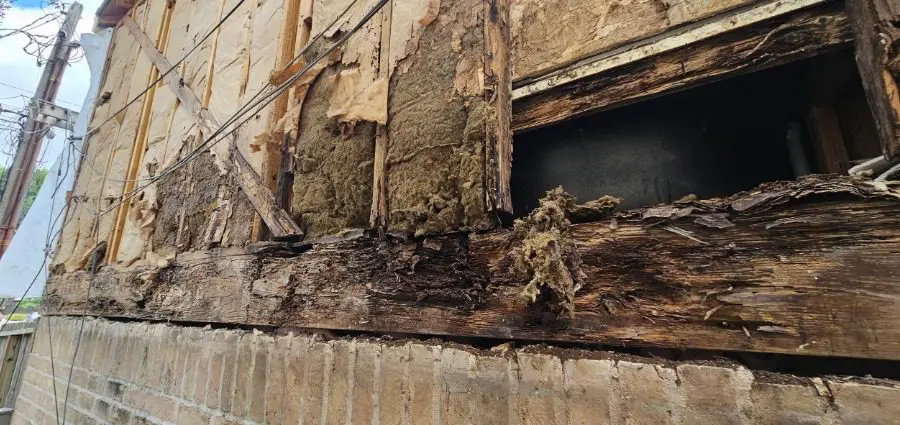 Allied includes up to eight studs, or about 64 linear feet of framing repair, in a full siding replacement. Based on the siding projects Chad Ryan personally works with in the greater Houston area, he estimates that fewer than 5% require additional framing, termite-damage, or water-damage charges beyond that allowance. When more extensive framing repairs are needed, they are often in the $500–$1,000 range. Before signing a contract, ask your contractor how much hidden damage is included and how additional repairs will be priced if more is uncovered.
Does a Two-Story or Complicated House Cost More to Side?
Not necessarily. At Allied, a normal two-story house does not automatically receive an additional charge simply because it has a second floor. Access and complexity matter more than the number of stories alone. A project may become more labor-intensive when crews have to work around:
- Very narrow property lines
- Pools or other obstacles
- Areas requiring scaffolding
- Extremely tall gables
- Three-story sections
- Complicated rooflines
- Difficult-to-access chimneys
- Unusual curves or architectural details
Chimneys are a good example. What looks like one small feature actually has four walls of siding, can require roof access, and may involve flashing and chimney-cap work. Chimneys can add more cost than homeowners expect because they involve four sides of siding, roof access, flashing, and potentially chimney-cap work.
What Should Be Included in a James Hardie Siding Quote?
Once you understand the price range, the next question should be: What am I actually getting for that price? Use this as a project-scope checklist when comparing estimates: 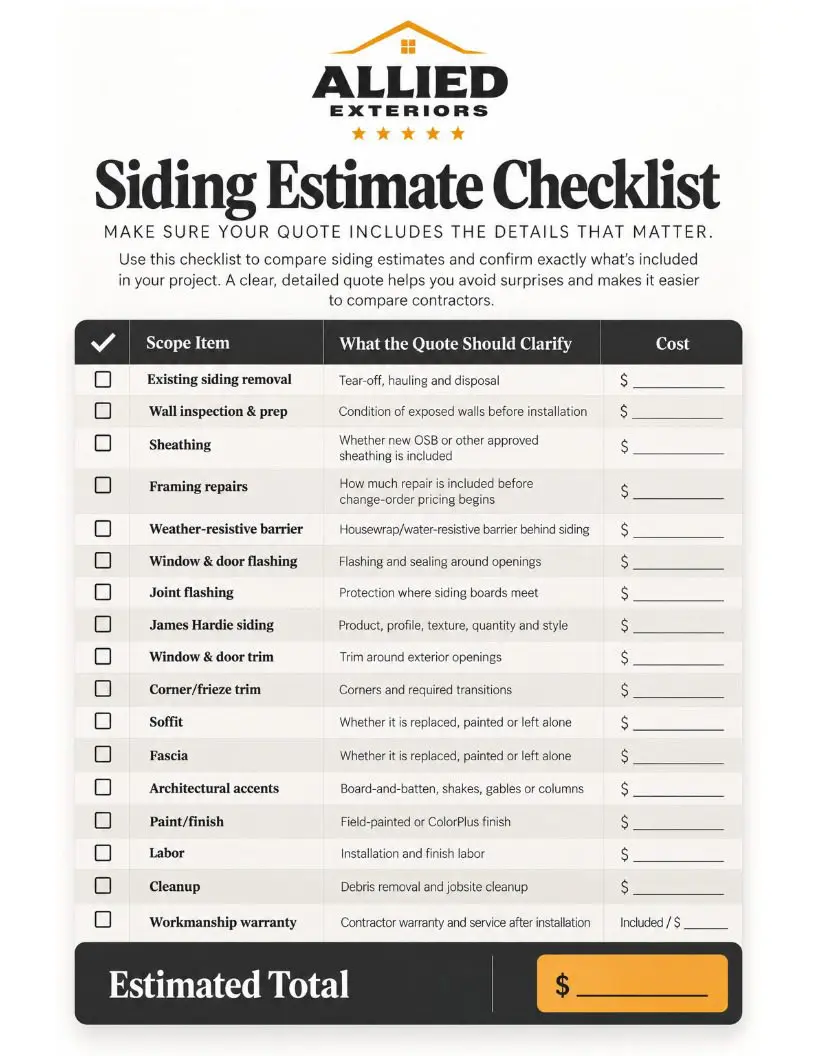
Click here to download the Allied Exteriors Siding Estimate Checklist
You do not necessarily need a separate dollar figure beside every single line. What matters is that you can clearly tell whether each item is included, excluded, optional, or potentially subject to an additional charge. That makes a $20,000 quote and a $25,000 quote far easier to compare fairly.
Is James Hardie More Expensive Than Other Siding Materials?
James Hardie is generally positioned as a premium siding option in Allied’s market, but the difference between materials may be smaller than homeowners expect once installation is included. According to the pricing interview:
| Siding Material | Approximate Cost Compared With Hardie |
| Vinyl | Can be comparable depending on contractor/product |
| LP SmartSide / engineered wood | Roughly 10%–15% less |
| James Hardie fiber cement | Baseline for comparison |
| Some composite siding | Can cost roughly 20% more |
Based on the comparative pricing our team sees when estimating siding projects, LP SmartSide may come in roughly 10%–15% below James Hardie. The important point is not simply which material has the lowest starting price. Compare the material, installation system, maintenance expectations, and contractor scope together.
Is James Hardie Siding Worth the Cost in Texas?
That depends on what problem you are trying to solve. If your existing siding is still performing well and mostly needs cosmetic work, painting what you already have may make more financial sense than replacing it. If the siding truly needs replacement, the price gap between James Hardie and some alternative products may not be large enough to make material cost the only deciding factor. Things worth considering include:
- How long you plan to own the house
- Whether your siding truly needs replacement
- Your maintenance expectations
- Your budget
- How much direct weather exposure the siding receives
- Whether you are replacing the whole exterior or only certain sections
- Whether a lower-cost material actually creates a meaningful total-project savings
This is also one area where you should separate our team’s opinion from a universal rule. Allied installs James Hardie and generally favors fiber cement for Texas projects, so homeowners should still compare alternatives based on their own priorities.
How Can You Lower the Cost of a James Hardie Siding Project?
There are ways to reduce the price without automatically cutting installation quality. A few options discussed during our interviews include:
- Keep your siding design simple. Standard lap siding generally costs less than board-and-batten or shingle accents.
- Limit premium accent areas. Use more expensive styles on gables or focal areas instead of the whole house.
- Keep existing soffit and fascia when they are still in good condition. In some cases, repainting them can postpone that portion of the project.
- Avoid replacing exterior components simply because you’re already doing the siding. Prioritize what actually needs replacement.
- Consider standard panel siding if you like the appearance. As a general estimating rule of thumb, our team has found that choosing standard 4×8 Hardie panels instead of lap siding can sometimes reduce the total project cost by around 10%.
One place we would not recommend automatically cutting costs is the wall preparation and water-management system behind the siding. That work is much harder to correct after the new exterior has already been installed.
What Should You Do Next If You’re Pricing James Hardie Siding?
At this point, you should have a much clearer idea of what James Hardie siding can cost in Texas and, more importantly, why two homes or two contractor quotes can come out thousands of dollars apart. Your next step is to stop comparing only the final price and start comparing the scope behind it. Look closely at how much siding is being replaced, the product and style being installed, whether sheathing and flashing are included, how hidden damage is handled, and whether items like soffit, fascia, trim, painting, cleanup, and warranties are part of the estimate. If you’re already collecting bids, use the quote checklist in this article to compare them line by line. That will help you spot what is included, what is missing, and where a lower price could simply mean a smaller scope of work. And if you’re in the Houston, Dallas-Fort Worth, or Austin area and want to know what James Hardie siding would cost on your specific home, the next step is to schedule an onsite estimate with Allied Exteriors. We can measure the actual siding on your home, review the condition of the exterior, and give you a detailed scope so you understand not just what the project costs, but why it costs that amount.
FAQs About James Hardie Siding Cost in Texas
How much does James Hardie siding cost per square foot in Texas?
Based on Allied’s current pricing, standard HardiePlank siding with the installation components discussed above can be around $13 per square foot, with upgraded plank styles closer to $15. Vertical panels can range from roughly $13–$17, while board-and-batten and shingle styles cost more.
How much does it cost to put James Hardie siding on a 2,000-square-foot house?
You cannot reliably calculate the siding price from 2,000 square feet of living space alone. A 2,000-square-foot house could be one story or two stories and could be mostly siding, mostly brick, or a combination of materials. Contractors price the exterior siding area rather than the home’s interior living area.
Is board-and-batten Hardie siding more expensive than lap siding?
Yes. Board-and-batten uses large panels plus frequent vertical trim pieces, increasing material, waste, cutting, and installation labor. Allied’s current pricing puts it roughly $5–$6 per square foot above standard panel siding.
Is it cheaper to paint Hardie siding or buy ColorPlus?
For Allied projects, field-painted primed siding is typically less expensive. ColorPlus material was estimated at roughly 25%–30% more than the comparable primed product, although exact project costs depend on the amount of finishing labor involved.
Can you replace siding without replacing soffit and fascia?
Yes. Soffit and fascia do not automatically have to be replaced when the siding is replaced. Their condition should determine whether they are included in the project.
Can you finance a James Hardie siding project?
Yes. Allied offers financing options for qualifying projects. Financing doesn’t reduce the total project price, but it can allow you to complete a larger replacement at once rather than splitting the project into multiple phases.
Allied Exteriors Blog
Whether you’re comparing replacement windows, researching siding materials, or trying to understand project costs, our Learning Center is built to help you make informed decisions before talking with a contractor.