

Which Window Upgrades Are Actually Worth the Money in Texas?
By Isabella Crum | Sep. 16, 2026 | 14 min. read
If you’ve started shopping for replacement windows, you’ve probably discovered that window quotes can get confusing fast.
One contractor talks about Low-E coatings. Another recommends triple-pane glass. Someone else suggests argon gas fills, foam-filled frames, soundproof glass, decorative grids, or custom colors.
At some point, many homeowners start asking the same question:
Which window features are actually worth paying for, and which ones are simply driving up the price?
At Allied Exteriors, we’ve helped thousands of Texas homeowners compare window options and determine which upgrades make sense for their homes. The truth is that some features provide noticeable improvements in comfort, efficiency, and durability, while others are largely aesthetic or only beneficial in specific situations.
In this article, you’ll learn which window upgrades provide the best value, which upgrades are situational, which features boost appearance rather than performance, and how to prioritize upgrades based on your goals and budget.
Key Takeaways
- Low-E glass and argon gas fills are usually the most worthwhile window upgrades for Texas homeowners because they improve energy efficiency, comfort, and UV protection.
- Most Texas homeowners don’t need triple-pane windows, but they can be beneficial for noise reduction or maximizing efficiency.
- Decorative upgrades like grids, specialty colors, and custom finishes can significantly increase costs without improving window performance.
- The best window depends on your goals. Features that make sense for lowering energy bills may be different from those that help with noise reduction or curb appeal.
- Don’t focus only on the window itself. A quality installation often has a bigger impact on performance than many premium upgrades.
- When comparing window quotes, ask what problem each upgrade solves before paying extra for it.
Why Are Some Replacement Windows So Much More Expensive Than Others?
Buying windows today is a little like buying a new vehicle. Depending on the line and features of the windows you choose, prices can range from $800-$2,500+.
You can purchase a basic model with the essentials, or you can continue adding options until the price climbs significantly.
The challenge is that not every upgrade delivers the same benefit.
With replacement windows, some features can dramatically improve:
- Energy efficiency
- Indoor comfort
- Noise reduction
- Durability
- Home value
Others may be worth considering if you like the appearance but won’t necessarily improve how the window performs.
The key is understanding which upgrades solve problems you actually have.
Which Window Features Solve Real Problems and Which Ones Don’t?
For most homeowners, the upgrades that create the biggest day-to-day difference are the ones that improve comfort, reduce heat gain, and help their HVAC system work a little less.
That’s why energy-efficiency upgrades often provide the strongest overall value.
| Feature | Problem It Solves | When It May Not Be Worth It |
|---|---|---|
| Low-E Glass | Excessive heat gain, hot rooms near windows, UV fading on floors and furniture | Rarely a bad investment in Texas; often considered a baseline feature rather than an upgrade |
| Argon Gas Fill | Heat transfer through the glass, reduced energy efficiency | May not justify paying a large premium if the window already has a strong glass package |
| Reinforced Window Frame | Premature wear, warping, durability concerns, long-term performance | Paying extra for a premium frame may not make sense if appearance is the primary difference |
| Professional Installation | Air leaks, water intrusion, poor efficiency, operational problems | This is rarely an area worth cutting corners on |
| Triple-Pane Glass | Outside noise, maximum energy efficiency goals | Often provides diminishing returns for the average Texas homeowner compared to quality double-pane windows |
| Foam-Filled Frames | Additional insulation and modest noise reduction | Most homeowners notice greater benefits from upgrading the glass package first |
| Laminated Glass | Traffic noise, storm debris concerns, security concerns | May not be necessary if noise and security aren’t major priorities |
| Decorative Grids | Architectural style and curb appeal | Do not improve comfort, efficiency, or window performance |
| Custom Colors & Finishes | Aesthetic preferences and home design goals | Primarily cosmetic and can significantly increase cost without improving performance |
| Feature | Problem It Solves | When It May Not Be Worth It |
|---|---|---|
| Low-E Glass | Excessive heat gain, hot rooms near windows, and UV fading on floors and furniture | Rarely a bad investment in Texas; often considered a baseline feature rather than an upgrade |
| Argon Gas Fill | Heat transfer through the glass and reduced energy efficiency | May not justify paying a large premium if the window already has a strong glass package |
| Reinforced Window Frame | Premature wear, warping, durability concerns, and long-term performance | Paying extra for a premium frame may not make sense if appearance is the primary difference |
| Professional Installation | Air leaks, water intrusion, poor efficiency, and operational problems | This is rarely an area worth cutting corners on |
| Triple-Pane Glass | Outside noise and maximum energy-efficiency goals | Often provides diminishing returns for the average Texas homeowner compared with quality double-pane windows |
| Foam-Filled Frames | Additional insulation and modest noise reduction | Most homeowners notice greater benefits from upgrading the glass package first |
| Laminated Glass | Traffic noise, storm-debris concerns, and security concerns | May not be necessary if noise and security are not major priorities |
| Decorative Grids | Architectural style and curb appeal | They do not improve comfort, efficiency, or window performance |
| Custom Colors and Finishes | Aesthetic preferences and home-design goals | Primarily cosmetic and can significantly increase cost without improving performance |
If the answer is clear, the upgrade may be worth considering. If the answer is mostly aesthetic, that’s not necessarily a bad thing, but it’s important to recognize you’re paying for appearance rather than performance.
A common mistake homeowners make is spending thousands on premium window upgrades while overlooking the installation itself. Even an excellent window can underperform if it’s not installed correctly. In many cases, choosing a quality installer will have a greater impact on comfort, efficiency, and long-term performance than upgrading from one premium glass package to another.
Is Low-E Glass Worth It in Texas?
In most cases, yes. And it’s especially worth it in Texas where homes are affected by a lot of heat and sunlight.
Low-E (low emissivity) glass contains a nearly invisible coating designed to reflect heat while still allowing natural light to enter your home.
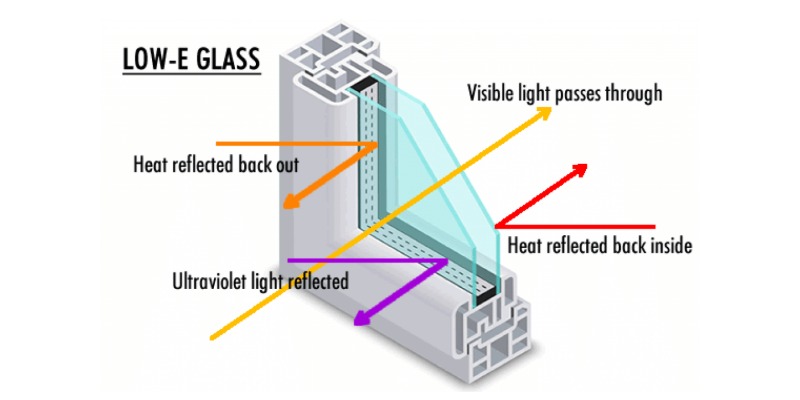
For Texas homeowners, this can make a noticeable difference during the hottest months of the year.
Benefits of Low-E glass include:
- Lower cooling costs
- Improved indoor comfort
- Reduced hot spots near windows
- Protection from UV damage to flooring and furniture
Many quality replacement windows now include Low-E glass as a standard feature rather than an upgrade.
A Real-World Example From One Texas Homeowner
One of the most interesting conversations we had while researching this article came from Allied window consultant Wane.
Ironically, even though Wane has spent years helping homeowners choose replacement windows, he admits it took him a few years to convince himself to replace the windows in his own home.
After finally installing new energy-efficient windows with Low-E glass, argon gas fills, and a high-performance glass package, he noticed a dramatic difference.
Before replacing his windows, summer electric bills in his four-bedroom Texas home often ranged from $500 to $700 per month, especially during June, July, and August when family members and grandchildren were frequently visiting.
After installing the new windows, his highest summer electric bill was approximately $221.
While every home is different and energy savings will vary, his experience highlights something many Texas homeowners discover after replacing older single-pane windows:
The right glass package can have a significant impact on comfort, energy efficiency, and monthly utility costs.
As Wane put it:
“It took me six years to sell myself windows. Now I wish I had done it five years earlier.”
That’s not a promise of specific savings, but it is a good example of why many homeowners find energy-efficiency upgrades to be among the most valuable window features available.
Why Is Low-E Glass Important for Texas Homes?
Texas homeowners deal with intense sunlight for much of the year.
The Low-E glass package offered on many replacement windows includes multiple Low-E coatings combined with argon gas to reflect heat and improve efficiency.
Simply put, if your goal is reducing heat gain, Low-E glass is one of the most worthwhile features available.
Is Argon Gas Between Window Panes Worth It?
Argon gas is an odorless, non-toxic gas placed between glass panes.
Because argon is denser than air, it slows heat transfer through the window.
Benefits include:
- Better insulation
- Improved energy efficiency
- Increased comfort
- Better overall window performance
If you’re comparing two similar windows and one includes argon gas while the other does not, the argon-filled option is usually the better long-term value.
Are Triple-Pane Windows Worth the Extra Cost?
While triple-pane does better energy efficiency, double-pane may be suitable depending on your goals.
Double-Pane vs Triple-Pane Windows
| Category | Double-Pane | Triple-Pane |
| Cost | Standard | 10%-30% more |
| Energy Efficiency | Good | Excellent |
| Noise Reduction | Good | Better |
| Weight | Lighter | Heavier |
| ROI in Texas | High | Situational |
For many Texas homeowners, quality double-pane windows with Low-E glass and argon gas provide excellent performance.
Triple-pane glass may make sense if:
- You live near a highway
- Noise reduction is a major concern
- You want maximum energy efficiency
- Budget is less of a concern
Triple-pane windows aren’t a bad investment. They simply aren’t the right investment for every homeowner. If noise reduction is a major concern or you’re pursuing maximum efficiency, they may be worth the added cost. For many Texas homes, however, a quality double-pane window with Low-E glass and argon gas delivers most of the benefits at a lower price point.
Are Vinyl Replacement Windows Worth It in Texas?
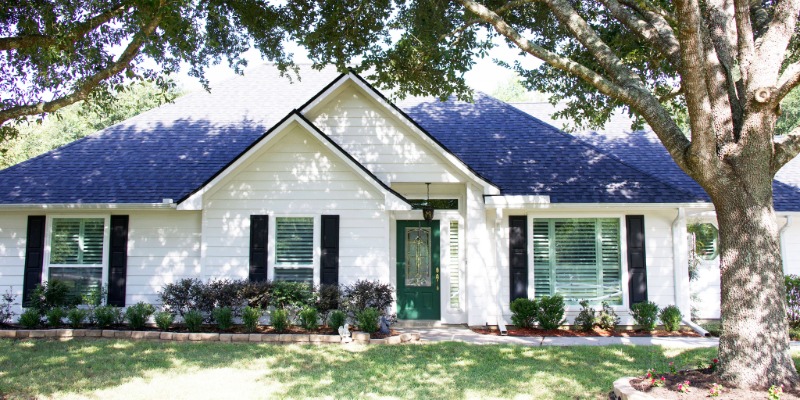
Vinyl remains one of the most popular replacement window materials. According to the Cost vs Value report for the West South Central region, vinyl replacement windows recoup 70%-75% of their cost.
Benefits include:
- Excellent energy efficiency
- Low maintenance
- Strong durability
- Competitive pricing
- No painting required
Because vinyl is less conductive than metal, it generally performs better thermally than aluminum.
For homeowners focused primarily on efficiency and value, vinyl is often the strongest option.
Vinyl vs. Aluminum Windows: Which Is Better for Texas Homes?
Aluminum windows have evolved significantly over the years, but they still conduct heat easily.
Modern thermally broken aluminum windows include an insulated barrier inside the frame that helps reduce heat transfer.
Many homeowners choose aluminum because:
- Frames can be slimmer
- Sightlines are narrower
- They offer a modern appearance
- Black finishes are often more affordable
For most Texas homeowners focused on energy efficiency, maintenance, and value, vinyl is usually the better choice. Aluminum may make more sense when slim sightlines and modern aesthetics are the top priority.
Are Foam-Filled Window Frames Worth the Extra Cost?
Some sales presentations make foam-filled frames sound like a must-have feature. In reality, most homeowners will notice a bigger difference from a quality glass package than they will from foam-filled frames alone.
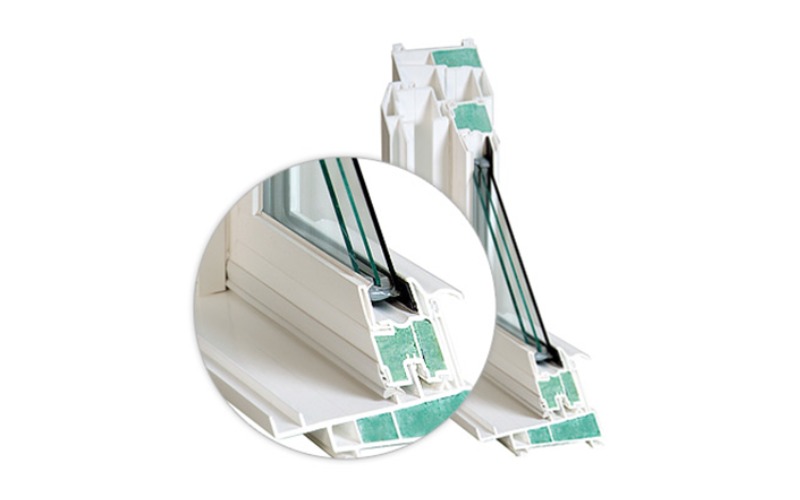
However, they can make sense when:
- Energy efficiency is your highest priority
- You are trying to reduce outside noise
- You want every available insulation improvement
While beneficial, the improvement is often smaller than what homeowners achieve through a quality glass package.
What Window Features Reduce Outside Noise the Most?
If you live near a busy road, airport, railroad, or commercial area, sound-reduction features can absolutely be worth the upgrade for a more comfortable home. But keep in mind, these features can greatly reduce noise pollution but won’t usually eliminate noise completely.
The features that provide the greatest noise reduction include:
- Laminated glass
- Triple-pane glass
- Double-strength glass
- Foam-filled frames
Laminated glass combined with thicker glass packages can significantly improve sound control compared to standard windows.
For homeowners bothered by outside noise every day, these upgrades may be worth every penny.
Are Window Grids Worth the Extra Cost?
Adding grids can increase the cost of your project by $120 to $150 per window or more. This upgrade comes down almost entirely to personal preference.
Grids can enhance curb appeal and help maintain a home’s architectural style. However, they have no effect on energy efficiency and comfort of a home.
Keep in mind, some HOA’s require the front windows of homes to have grids, so it’s important that you verify with your HOA first. If appearance is important to you, grids may be worthwhile. If your goal is performance, your money is probably better spent elsewhere.
Are Black Replacement Windows Worth It?
Black windows have become one of the most popular design trends in recent years.
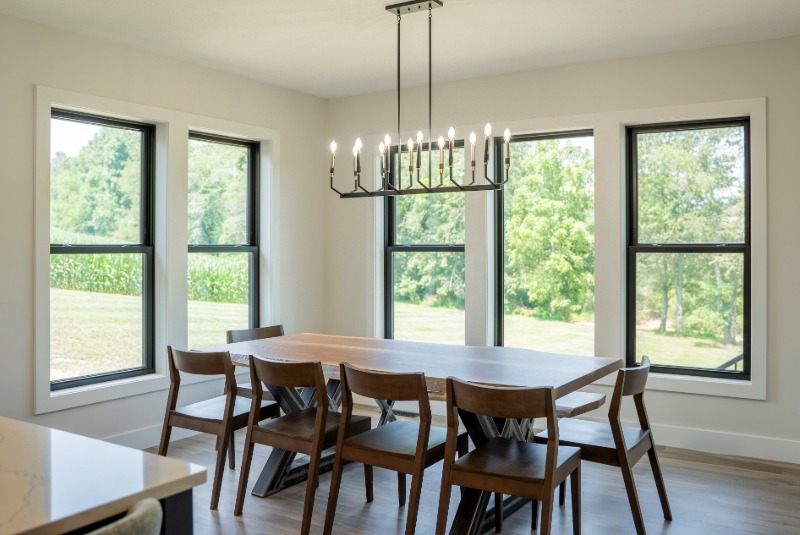
They can create a dramatic, modern appearance and improve curb appeal. However, black finishes often increase project costs significantly, upwards of $600 or more per window since black is not a standard vinyl color.
Before upgrading to black windows, ask yourself:
- Is this a long-term preference?
- Am I following a trend?
- Would I rather invest that money into performance upgrades?
For some homeowners, the aesthetic upgrade is worth it. For others, it may not be.
What Window Upgrades Are Usually Not Worth the Money?
There are very few features that are universally “bad.” However, some upgrades provide less value than others.
Examples include:
- Decorative grids
- Specialty colors
- Excessive cosmetic upgrades
- Features that don’t solve a specific problem for your home
The biggest mistake homeowners make is paying for upgrades simply because they sound impressive.
Instead, focus on features that address your actual priorities.
Which Window Upgrades Should You Choose Based on Your Goals?
| If You Want… | Spend Your Money On… |
| Lower Utility Bills | Low-E Glass, Argon Gas, Double-Pane Windows |
| Less Outside Noise | Laminated Glass, Thicker Glass, Triple-Pane Windows |
| Long-Term Durability | Quality Frames, Strong Warranties, Professional Installation |
| Lowest Upfront Cost | Standard Colors, Standard Glass Packages, Fewer Decorative Options |
| Better Curb Appeal | Custom Colors, Grids, Specialty Shapes |
If you’re unsure where to spend your money, prioritize the glass package and installation first. Those two factors typically have a bigger impact on comfort, efficiency, and long-term satisfaction than cosmetic upgrades.
What Are the Best Window Upgrades for Texas Homeowners?
For most Texas homeowners, the upgrades that deliver the greatest value are the ones that improve comfort, energy efficiency, and long-term performance. Features like Low-E glass, argon gas fills, quality frame materials, and professional installation typically provide the strongest return on investment.
Other upgrades such as triple-pane glass, laminated glass, decorative grids, and specialty colors, can absolutely be worthwhile, but usually only when they support a specific goal like noise reduction, security, or curb appeal.
The best window isn’t the one with the most upgrades. It’s the one that solves the problems you’re trying to fix without paying for features you’ll never use.
Ready to Choose the Right Window Upgrades?
Every home is different, and the upgrades that make sense for one homeowner may not make sense for another. When comparing replacement windows, it’s easy to get distracted by features that sound impressive but don’t necessarily improve performance.
In some situations, the most expensive window package simply isn’t necessary. If a quality double-pane window already addresses your comfort, efficiency, and noise concerns, paying significantly more for additional upgrades may not provide enough benefit to justify the cost.
If you’re comparing replacement window options and want expert guidance, schedule a free consultation with Allied Exteriors. We’ll help you understand which features fit your goals, your home, and your budget without paying for upgrades you don’t need.
Frequently Asked Questions About Window Upgrades
Do replacement windows actually lower energy bills?
Yes, but the amount you save depends on your existing windows and the upgrades you choose. Features like Low-E glass, argon gas fills, and quality installation can help reduce heat transfer, making it easier for your HVAC system to maintain a comfortable indoor temperature.
How long does Low-E glass last?
Low-E coatings are applied during the manufacturing process and are designed to last for the life of the window. Because the coating is sealed inside the insulated glass unit, it is protected from weather and normal wear.
What is the most energy-efficient window for Texas homes?
For many Texas homeowners, a quality double-pane window with Low-E glass and argon gas provides an excellent balance of energy efficiency, comfort, and value. In some situations, triple-pane windows may offer additional performance, but they are not always necessary.
Is professional window installation really that important?
Absolutely. Even the highest-quality window can underperform if it is installed incorrectly. Proper installation helps prevent air leaks, water intrusion, operational issues, and energy loss, making it one of the most important factors in the long-term performance of your windows.
Allied Exteriors Blog
Whether you’re comparing replacement windows, researching siding materials, or trying to understand project costs, our Learning Center is built to help you make informed decisions before talking with a contractor.